
There is a particular rhythm to the pokies floor at a local club on a Friday night, the soft clatter of coins mixed with the low hum of conversation and the occasional cheer when a line hits. For years, dropping cash into the bill validator was the only way to get in the game, but the scene has shifted. These days, a growing number of punters are looking to join poker machines prepaid card systems that let them preload value and keep the wallet in the pocket. It is a cleaner way to manage the spend, and it fits the way many of us already handle everyday transactions at the servo or the newsagent.
The move toward digital wallet style play has not happened overnight, and it has not swept every venue at the same pace. Some pubs in regional Queensland still run older validators that grumble at a faded tenner, while the bigger clubs in Perth and Sydney have upgraded to tap-and-go terminals that accept a range of stored value products. The trick is knowing which venues actually support the system you want to use, because a card that works at one operator might sit idle at another. That is where a bit of homework pays off, and a quick look at a red baron pokie machine overview can point you toward the venues and setups that are actually geared up for prepaid play.
Money management on the floor has always been a slippery business, and the old method of handing over crisp notes tends to blur the line between a casual session and a proper run at the bank. Prepaid setups put a hard ceiling on the top-up before you even take a seat, which is a sensible guardrail for anyone who has ever watched a twenty disappear into the coin tray and wondered where the afternoon went. The same discipline shows up in other parts of Australian life, whether you are sorting out a rental budget on a propertychat.com.au thread or planning a ski trip up to the NSW slopes through ski.com.au, the principle is the same: set the limit first, then enjoy the ride without the nagging feeling that the numbers are running away from you.Ski
For those new to the idea, the setup is usually straightforward but it does pay to understand the moving parts before you hand over any details. A prepaid card for pokies is not quite the same as a loyalty card you swipe for a free pie at the club canteen, and it is not exactly a debit card either. It sits somewhere in the middle, holding a stored value that the machine recognises as credit once you tap or insert it at the terminal. The exact method varies by operator, and some systems require you to register a profile while others are anonymous bearer style products that you simply load and use. Knowing which sort you are dealing with matters, because the rules around reloading, cashing out, and age verification shift depending on the format.
How Prepaid Cards Actually Work on the Pokies Floor
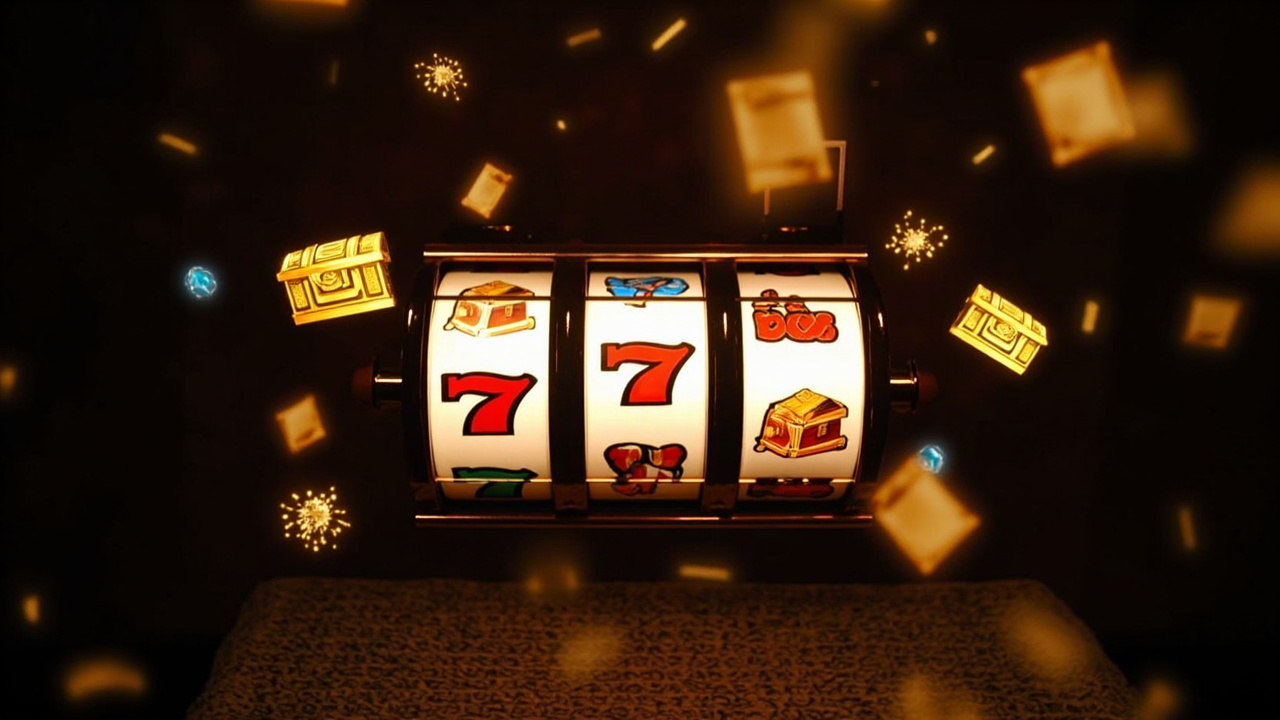
The basic mechanics are simpler than most people expect, and that is part of the appeal for punters who want to skip the fumbling with cash at the validator. You load the card with a set amount, either online through the operator portal or at a kiosk in the venue, and that balance becomes your playing credit once you link it to the machine. Some systems work with a physical card you carry in your wallet, while others are app based and use your phone as the token that talks to the terminal. Either way, the machine reads the value, deducts the bet per spin, and keeps a running tally that you can check on the screen rather than guessing by the weight of coins in your pocket.
The transaction flow is worth understanding because it affects how quickly you can top up between sessions. A well set up system lets you add value without walking away from the machine, which keeps the session flowing and stops you from getting distracted by the TAB or the bar on the way back. In practice, that means the reload happens through a secure handshake between the card and the operator network, and the balance updates in real time. If you have ever watched a mate try to reload a loyalty app while the footy is on and the network is crawling, you know that a smooth system makes a difference to the whole experience.
There is also a distinction between cards that are tied to a specific venue and those that work across a network of clubs. The venue tied products tend to be simpler and sometimes cheaper to run, because the operator controls the whole loop from loading to redemption. The broader network cards offer more flexibility if you move between clubs, but they can come with extra verification steps and occasionally higher load fees. Either way, the card is only as useful as the venues that accept it, so a bit of local knowledge goes a long way when you are planning a night out.
Why Punters Are Swapping Cash for Stored Value
The biggest draw is control, plain and simple, because a prepaid card puts a visible cap on the money you have committed before you even sit down. That is a different feeling from feeding notes into a validator and watching the balance disappear one dollar at a time, where the session can quietly stretch past what you intended. With a stored value card, the limit is front and centre, and that makes it easier to stick to a plan rather than relying on willpower alone when the room is loud and the lights are bright.
There is also a practical side for anyone who prefers not to carry a stack of cash around the venue, which is a habit that has become more common as tap-and-go payments have taken over everyday life. Keeping the playing money separate from the spending money in your wallet reduces the temptation to dip into the grocery budget for another hour on the floor, and it makes the night easier to track afterward. You can look at the card statement and see exactly what went in and what came out, which is a clearer picture than trying to remember how many twenties you pulled from the ATM.
For regulars who play across a few clubs, the convenience factor adds up as well, because a card that works at multiple venues cuts down on the back and forth between the machine and the cashier. That matters on a busy night when the floor is packed and the queue at the pay desk is moving slower than a country train on a hot day. A smooth prepaid setup lets you stay in the seat and manage the session without breaking the rhythm, which is exactly the kind of small convenience that makes a night feel easier rather than fussier.
Choosing a Card That Fits Your Local Club
Not every card works everywhere, and that is the first thing worth checking before you sign up for anything. Some systems are built for a specific operator or a chain of clubs, while others are broader but still depend on the venue having the right terminal installed. If you mostly play at one local pub or a nearby big club, a venue specific card can be the simplest option because there is less to configure and fewer verification steps to wade through. If you hop between venues, a network card might suit better, though you will want to confirm the acceptance list before you load it up.
The load methods matter too, because some cards are topped up online while others need a visit to a kiosk or the cashier. An online load is handy if you are planning ahead from home, but it is only useful if the venue accepts that method and the funds land in time for your session. A kiosk load is more immediate once you are on site, though it does mean a short walk and sometimes a queue. Either way, the best choice is the one that matches how you actually play, not the one that looks flashiest on a brochure.
Fees are another piece of the puzzle that can creep up if you do not read the fine print, because some cards charge for loading, some for inactivity, and some for cashing out the remaining balance. A small load fee might be worth it for the convenience, but a high cash out charge can eat into what is left when you decide to call it a night. The sensible move is to compare the total cost of using the card across a typical session, not just the headline load amount, because the small charges add up over time and can turn a handy tool into an expensive one.
Reading the Rules Before You Load Up
Australian regulations around pokies and stored value products are not a free for all, and that is a good thing for anyone who wants a clear playing field. Each state sets its own rules for machine operation, venue licensing, and the kinds of payment methods that are allowed on the floor, so a card that works in one jurisdiction might face different requirements somewhere else. The basics tend to include age verification, responsible gambling safeguards, and clear terms around how the stored value can be used and withdrawn, and those rules are there to keep the system fair rather than to make life difficult.
Responsible gambling features are often built into the card system itself, which means you can set limits on loading or track your session spend through the operator portal. That is a useful layer of protection for anyone who has ever lost track of time on a slow night at the machines, because the card can act as a checkpoint rather than just another way to pay. If a venue or operator offers self exclusion or limit setting alongside the card, it is worth using those tools from the start rather than waiting until a session has gone sideways.
The terms around cashing out are worth a careful read as well, because some systems let you withdraw remaining value back to your account while others require you to use it on the floor or lose it after a set period. A card that lets you reclaim what is left is generally more flexible, but it may come with a withdrawal window or a small подробнее handling charge. Knowing that before you load up saves the frustration of finding out at the wrong end of the night, and it keeps the whole setup transparent rather than a mystery box.
Where Prepaid Play Fits in the Australian Market
The Australian market has always had a strong culture of local clubs and pubs that run pokies as part of the broader entertainment mix, and that landscape shapes how payment methods take hold. In the bigger cities, the larger clubs have moved faster on digital payment upgrades because they have the foot traffic and the infrastructure to justify the investment, while smaller regional venues often take a more gradual approach. That means the availability of prepaid card play can vary quite a bit depending on where you are, and a card that is common in one city might be rare in another.
Operator competition also plays a role, because the clubs and online operators that move quickly on user friendly payment options tend to attract punters who value convenience and clear terms. Among the operators that have built a strong presence in the Australian market, Joe Fortune stands out as one of the leaders, and that kind of profile matters when you are comparing where prepaid play is supported and how smoothly it runs. A market leader usually has the resources to keep the systems updated and the customer support in place when something needs sorting, which is a decent sign for anyone who wants a hassle free experience.
The broader trend is toward more integration between payment methods and the playing experience, with venues and operators looking for ways to make the session smoother without cutting corners on safety or compliance. That means prepaid cards are part of a larger shift rather than a one off gimmick, and the ones that survive tend to be the ones that actually solve a problem for the punter rather than just adding another layer of complexity. If a card makes the night easier and the spend clearer, it has a future; if it just sits between you and the machine, it will not last long.red baron pokie machine
Comparing Operators and Venues Without the Headache
A practical comparison starts with the venues you actually visit, because the best card in the world is no use if your local club has not got the terminals to read it. Make a short list of the places you play most often, then check whether each one supports the card system you are considering and what load methods they accept. That keeps the comparison grounded in your real routine rather than a generic list of features that might never come into play.
From there, look at the operator side of the equation, including how the card ties into any loyalty or rewards setup the venue offers. Some systems let you earn points or track your play alongside the card balance, which can be handy if you are the sort of punter who likes to keep an eye on the numbers and make the most of a regular visit. Other systems keep the card strictly as a payment tool, which is simpler but less integrated. Neither is automatically better; it depends on whether you want the extra tracking or just a clean way to pay.
Online resources can help you sort through the options without having to visit every club in person, and a good comparison page should lay out the acceptance, load methods, fees, and any age or registration requirements in plain terms. If you are weighing up where to start, a look at a red baron pokie machine guide can point you toward the kinds of setups that are actually in use and the venues that support them, which is a more useful starting point than a marketing pitch. The aim is to find a card that fits your local scene, not to chase the shiniest product on the shelf.
Keeping the Session Tight and the Spend Clear
The best use of a prepaid card is as a discipline tool, not just a convenient way to pay, and that means setting your load amount with the same care you would use for any other budget. Decide the figure before you head out, load only that amount, and treat the card balance as the hard limit for the night rather than a starting point to top up repeatedly. That approach keeps the session within the bounds you set and makes it easier to walk away when the time comes, which is the whole point of using a system that puts the limit in your hands.
Tracking the session is easier with a card as well, because the balance updates on the screen and the operator portal usually keeps a record of what went in and what was played. That gives you a clearer picture than trying to reconstruct the night from memory, and it helps you spot patterns over time, such as which nights tend to run longer or which venues feel more relaxed about the pace. A bit of reflection after the fact is a useful habit, because it turns a single night into information you can use to plan the next one better.
There is also value in keeping the card separate from your everyday spending money, because that separation makes the playing budget feel real rather than just another line in the wallet. If you load the card from a dedicated account or a set amount of cash you have already set aside, the rest of your money stays untouched for the things that actually matter, like the rent, the groceries, and the next trip to the snow. That kind of separation is the same principle that keeps a household budget on track, and it works just as well on the pokies floor when the aim is to enjoy the session without letting it spill into the rest of life.
This simple boundary protects your financial foundation from the unpredictable costs of the game. If you want to explore how dedicated budgeting strategies can secure your household finances, you can read more at smart money tips. Ultimately, treating your play funds as a fixed expense keeps your long-term goals on track.